Experiencing a roadside breakdown or an unexpected vehicle collision creates immense stress for any stranded driver. Operating a vehicle on public roads always carries an element of risk, making sudden mechanical failures or traffic accidents a real possibility at any moment. During these critical situations, having a reliable towing service on hand is crucial for getting your vehicle safely off the highway and into qualified hands. Selecting a skilled professional provider requires careful consideration, as failing to vet a company in advance can lead to extended roadside delays or improper handling of your vehicle.
Finding the right assistance requires asking targeted questions before agreeing to service. Drivers often feel rushed during emergencies, making quick decisions based solely on who responds first rather than who provides proper care. Taking a systematic approach to evaluating roadside assistance providers protects both your personal safety and your long-term automotive investment. This guide outlines essential questions to ask a towing service before making a decision, ensuring you receive prompt, professional assistance whenever you encounter unexpected travel disruptions.
1. Determine Service Areas and Local Boundaries
Establishing exact geographical coverage is a foundational step when evaluating potential assistance providers for your vehicle. Coverage zones dictate how quickly operators arrive at your location and whether they can transport your vehicle back to your preferred repair shop or residence. Data compiled by industry analysts according to Wifi Talents indicates that the average transit distance during an emergency event spans 12.5 miles per incident across the United States. Knowing whether a company operates primarily within local municipal limits or covers broader regional highway networks ensures your vehicle is never left stranded outside established operating boundaries.
Inquiring about remote or hard-to-reach locations provides deeper insight into operational capabilities. Mountain passes, rural side roads, and off-road trails present unique navigation challenges that require specialized equipment. Ask potential providers how they manage calls originating outside primary municipal boundaries and whether specialized vehicles are dispatched for difficult locations. Clear communication regarding operational territories eliminates unexpected complications during emergency dispatches, ensuring seamless vehicle transport regardless of where unexpected trouble strikes along your route.
2. Assess Safety Standards and Secure Facilities
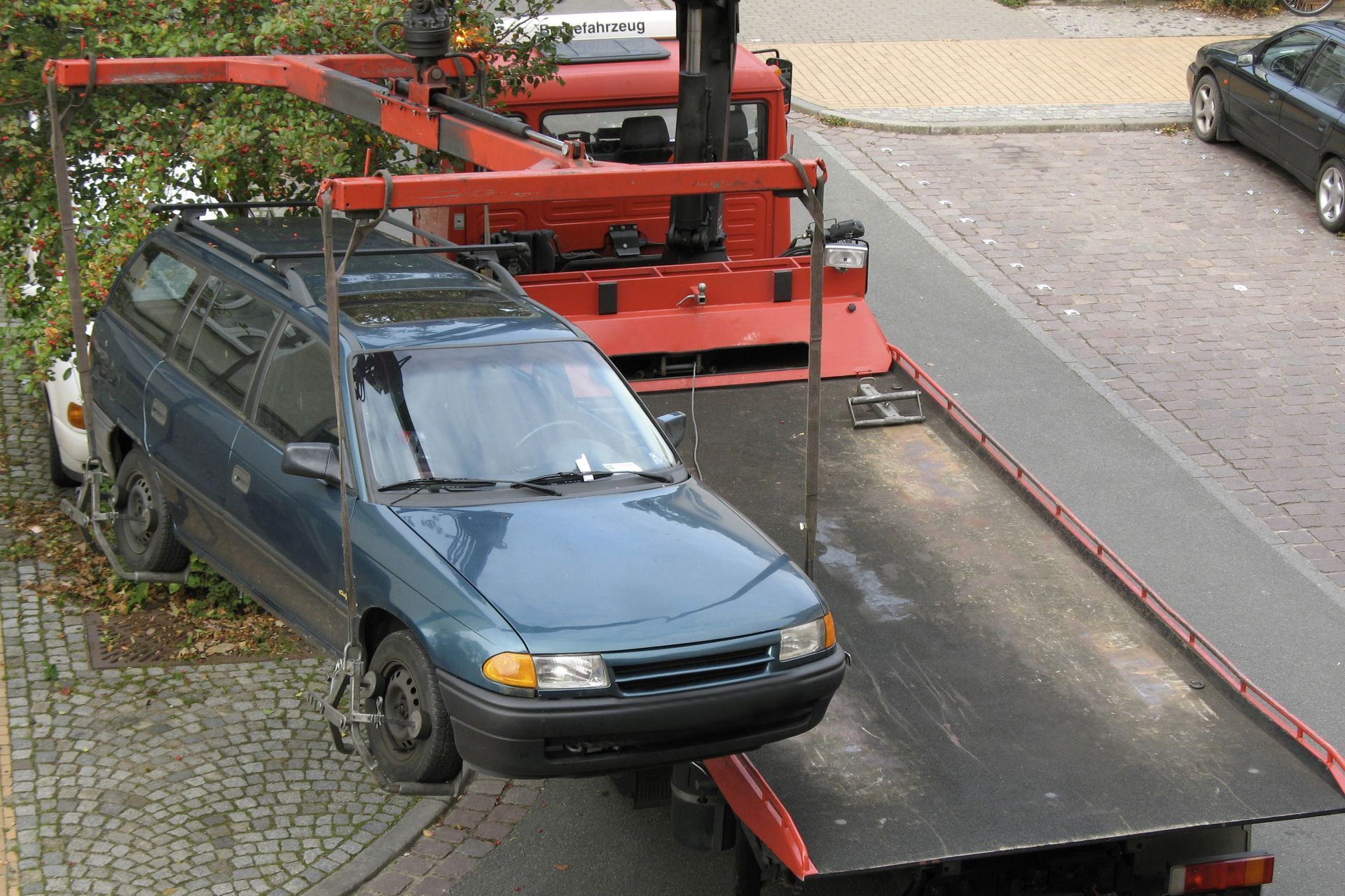
Vehicle protection must remain a top priority from the moment help arrives until your automobile reaches its final destination. Inquire about the specific physical safety measures implemented during transport, including proper wheel straps, frame tie-downs, and safety chain protocols. A qualified operator uses industry-standard securing methods to prevent frame strain, bumper scraping, alignment shifts, or exterior paint damage during movement. Asking detailed questions about safety practices ensures your vehicle remains protected against unnecessary physical damage throughout the loading, hauling, and unloading process.
Overnight storage requirements introduce additional security concerns if repair facilities are closed upon arrival. Ask whether the business maintains dedicated holding yards equipped with physical security features. Secure facilities featuring gated access, perimeter fencing, bright lighting, and protective barriers safeguard stored vehicles against vandalism, theft, or unauthorized access. Knowing your vehicle resides in a protected environment offers complete peace of mind when immediate drop-off at a local repair shop is impossible.
3. Evaluate Fleet Capabilities and Specialized Equipment
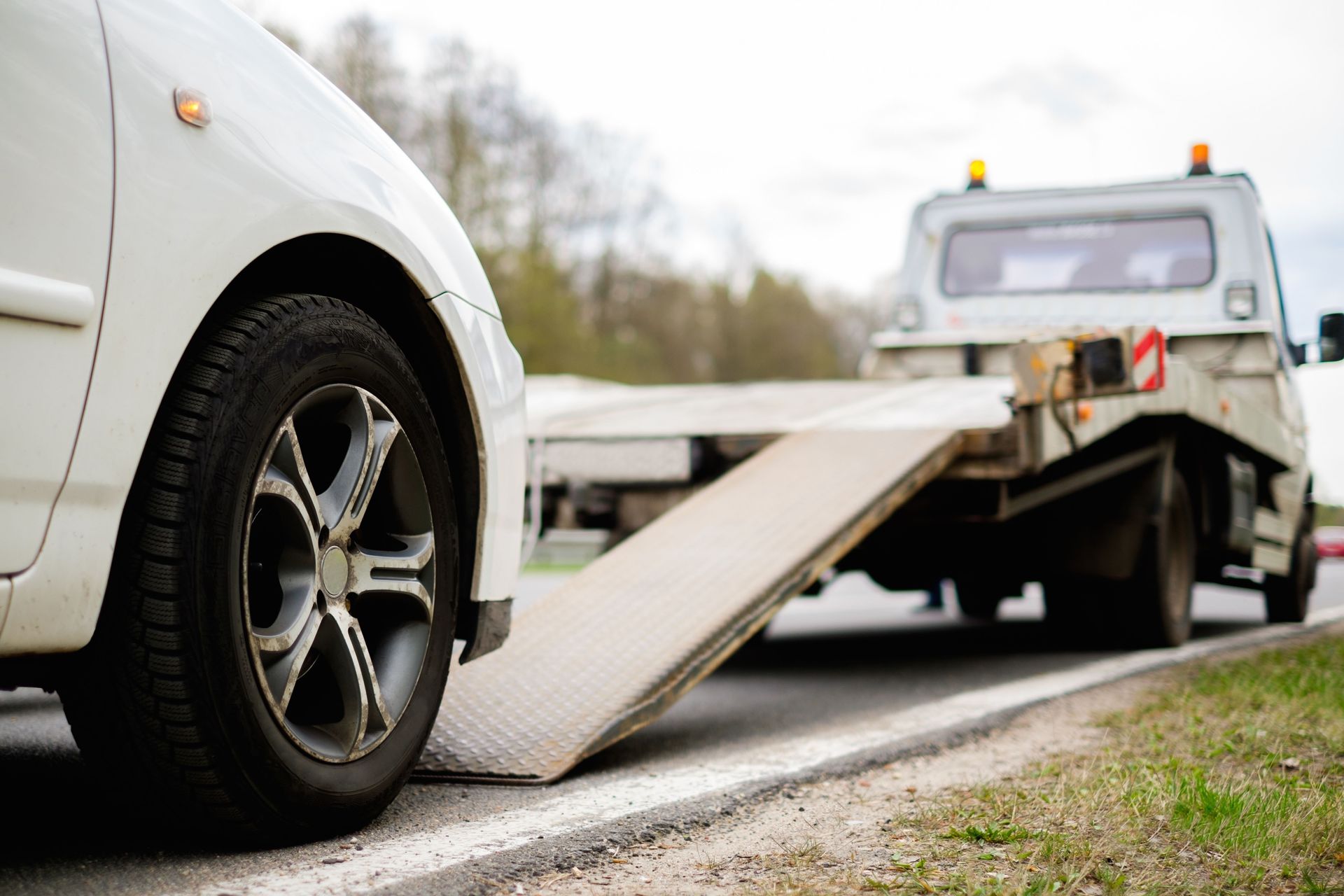
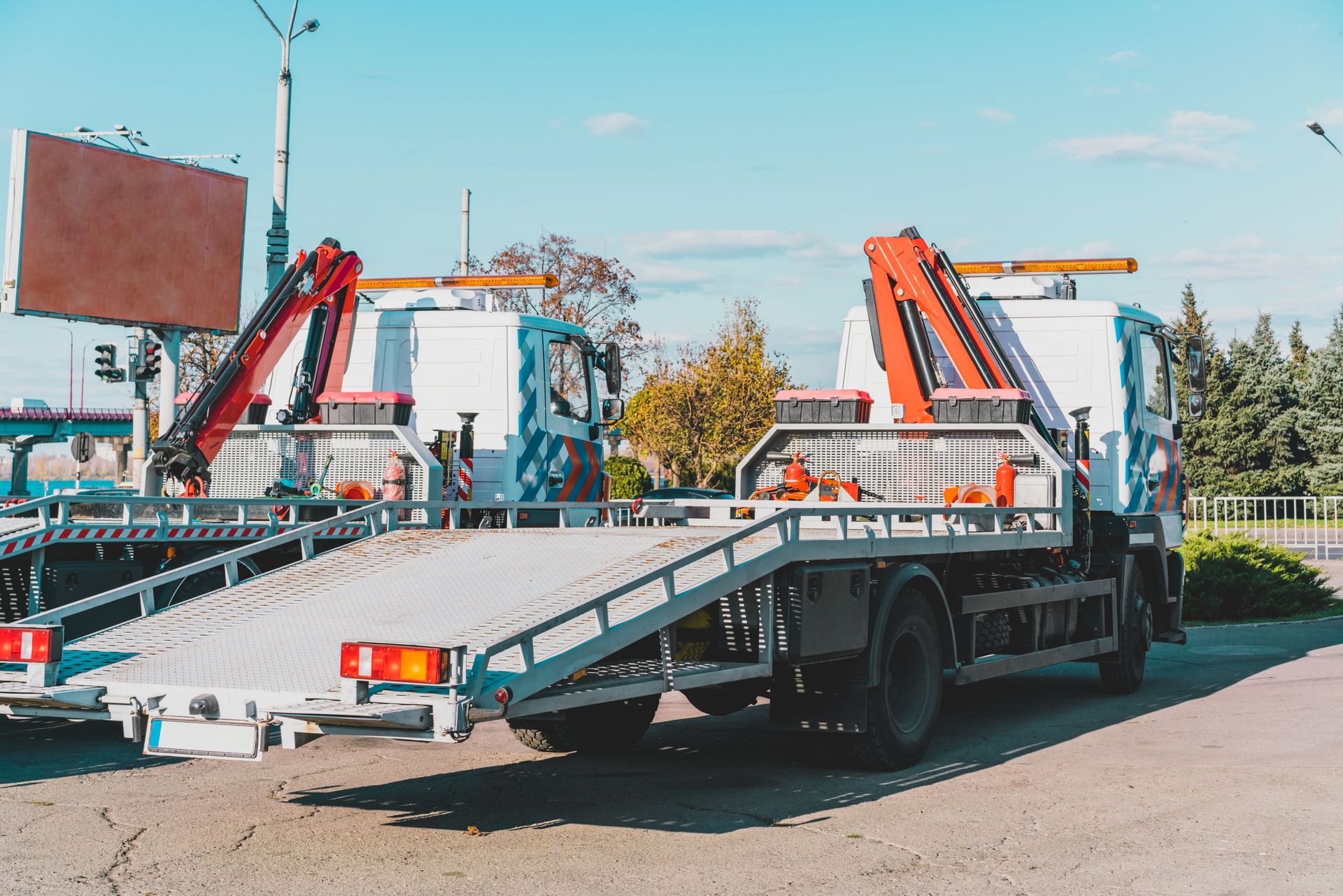
Automobiles come in various shapes and sizes, each requiring distinct handling procedures and machinery during transport. When selecting a towing service capable of transporting your specific vehicle, ask about the diversity and condition of their operational fleet. Light-duty wreckers suit standard compact sedans, while heavy-duty flatbeds are necessary for all-wheel-drive passenger vehicles, low-clearance sports cars, heavy trucks, or commercial vans. Confirming that a provider owns equipment matching your vehicle type prevents structural damage caused by inappropriate towing methods.
Specialized vehicles such as motorcycles, motorhomes, boats, or classic automobiles demand custom handling solutions and expert care. Inquire whether operators carry specialized rigging gear, wheel-lift apparatus, soft straps, or flatbed trailers designed specifically for delicate, heavy, or oversized cargo. Complex recovery situations, such as winter snow drifts, ditch extractions, or off-road mud recoveries, require winching gear and specialized rigging techniques. Verifying that an operator possesses equipment suited for specialized recovery ensures safe extraction and transport during non-standard roadside situations.
4. Verify Emergency Hours and Response Times
Vehicle breakdowns rarely happen at convenient times, making continuous schedule availability a critical consideration for motorists. Confirming that a towing service maintains full 24/7 availability ensures help remains accessible during late-night hours, weekends, and major holidays. Continuous availability guarantees that a single phone call connects you directly with live dispatchers whenever trouble occurs on the road. Round-the-clock operational readiness prevents prolonged strandings along dark highways, isolated rural stretches, or unfamiliar urban roads.
Prompt response times reduce exposure to hazardous roadside conditions, particularly on high-speed highways or during severe weather conditions. Ask prospective providers about their average response durations within core operational zones under standard conditions. Inquire about dispatch protocols during high-demand periods, such as severe winter storms or holiday travel rushes, to understand how emergency calls are prioritized and processed. Understanding operational response expectations helps you make informed safety choices while waiting for recovery personnel to arrive safely at your location.
5. Inspect Driver Training and Industry Licensing
The qualifications and practical expertise of technical operators directly influence the safety and overall quality of service you receive on the road. Inquire about driver training programs, safety protocols, operational experience, and background verification procedures enforced by the company. Skilled professionals understand proper weight distribution, specialized rigging techniques, and critical roadside safety procedures required for dangerous highway environments. Confirming that drivers receive continuous professional instruction provides assurance that your vehicle is handled by skilled, highly capable hands.
Legitimate operations maintain comprehensive state licenses, local operating permits, and full commercial liability insurance coverage. Ask for verification regarding active operating licenses and commercial liability insurance policies designed to protect client property during transit. Valid licensing demonstrates full compliance with local transportation regulations, while robust insurance coverage shields vehicle owners from liability in the rare event of accidental damage during transport. Confirming these essential credentials is a vital verification step when selecting a towing service for urgent roadside situations.
6. Review Roadside Assistance and Mechanical Options
Not every vehicle emergency requires full flatbed transport or a long trip to an auto repair shop. In many instances, a comprehensive towing service will also provide versatile roadside assistance options that solve minor mechanical issues directly on site. Inquire whether dispatched technicians offer battery jump-starts, flat tire changes, fuel deliveries, and specialized lockout assistance for locked vehicles. Having access to versatile roadside solutions allows you to resume your journey quickly without incurring unnecessary vehicle transport procedures or extended downtime.
Additional on-site mechanical capabilities provide valuable convenience when minor component failures occur without warning. Ask if field operators possess basic mechanical diagnostic capabilities or quick-fix repair capabilities directly on scene. Business operations offering integrated mechanical assistance alongside standard recovery services present a unified solution for stranded motorists. Comprehensive service offerings ensure that whether your vehicle requires simple tire inflation, battery replacement, or full winching recovery, appropriate technical solutions are readily available.
Preparing for unexpected roadside emergencies before they occur remains the best way to ensure personal safety and peace of mind on the highway. Asking prospective providers targeted questions regarding geographical coverage areas, safety protocols, fleet versatility, emergency availability, driver credentials, and roadside assistance options ensures you receive high-quality care during stressful situations. Thorough evaluation eliminates guesswork, allowing you to make confident decisions when unexpected mechanical failures or traffic incidents disrupt your travel plans.
Selecting a dependable service provider guarantees that your vehicle receives meticulous care from experienced professionals equipped for any situation. By prioritizing verified driver certifications, specialized recovery capabilities, secure storage, and round-the-clock availability, asking these vital questions ensures you choose a towing service equipped for your needs. For prompt, professional assistance and complete peace of mind during any roadside emergency, contact us at Custom Towing & Recovery.